


Spotting Real Estate Scams: How Reverse Image Search Protects Buyers and Platforms
Last year, a college student in Texas found what looked like the perfect apartment — spacious, modern, and surprisingly affordable. The photos showed hardwood floors, updated appliances, and big windows overlooking a quiet street. She wired a $1,200 deposit to secure it before someone else snatched it up. The apartment was real. The listing wasn't. Someone had stolen the photos from a property that sold six months earlier and pocketed her money.
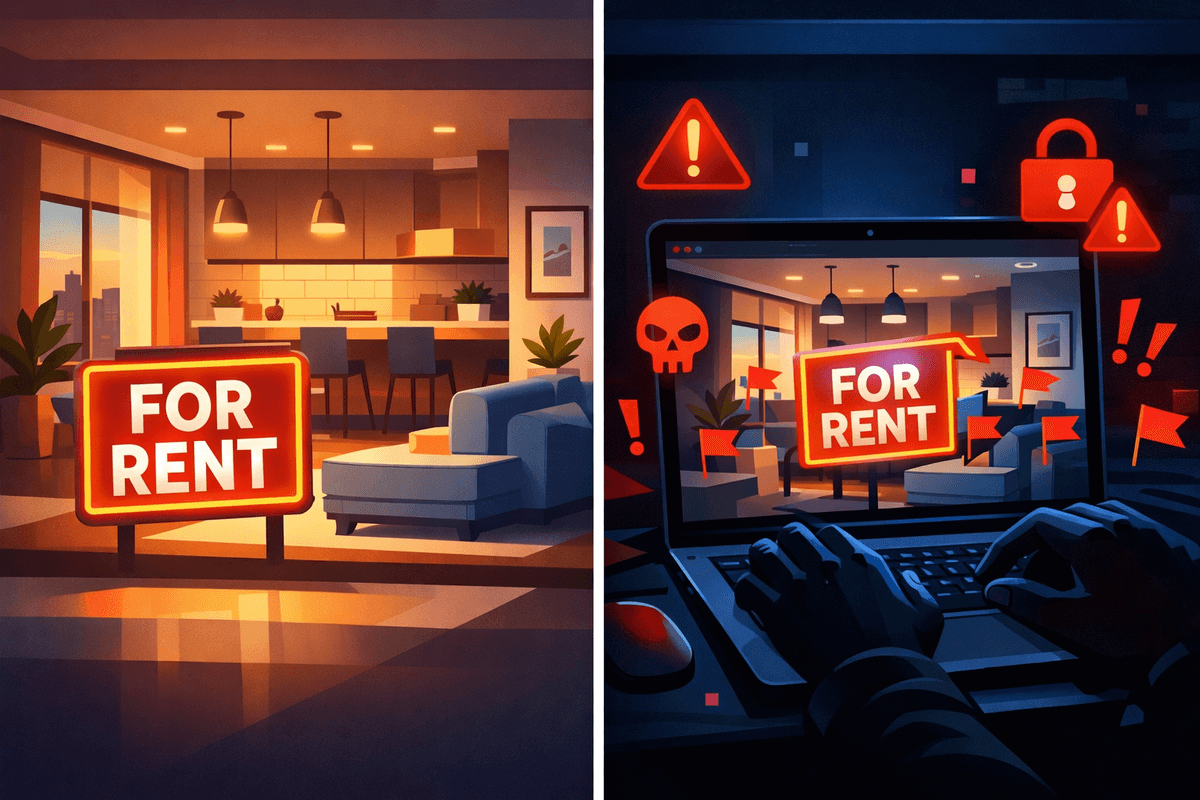
Stories like this play out thousands of times every year. The real estate market has always attracted fraudsters, but stolen images have made their schemes harder to spot than ever.
Real Estate Fraud Has Become a Visual Game
Scammers used to rely on vague descriptions and obvious red flags. Now they're running sophisticated operations with professional-looking listings that fool even careful buyers and renters.
The scale is staggering. The FBI's Internet Crime Complaint Center tracked 9,359 victims who lost $173.5 million to real estate and rental scams in 2024 alone. The Federal Trade Commission has logged nearly 65,000 rental scam complaints since 2020, totaling $65 million in reported losses. And those are just the people who came forward — most victims never report.
Wire fraud hits even harder. The CertifID State of Wire Fraud 2025 report estimates real estate wire fraud accounted for roughly $500 million of the $12.5 billion in cybercrime losses reported to the FBI last year.
How the Scam Actually Works
The playbook is remarkably consistent. Fraudsters scrape high-quality photos from legitimate listings, real estate agency websites, or vacation rental platforms. They repost these images on classified sites and social media with altered details and prices low enough to generate quick interest.
Then comes the pressure. The "landlord" is overseas and can't show the property. Other applicants are interested. You need to wire a deposit today to lock it in.
By the time victims realize what happened, the scammer has vanished.
The FTC's Consumer Protection team has documented how scammers frequently copy ads for properties that are actually for sale — not even available for rent — and repost them with different contact information. The photos look legitimate because they are legitimate. They just don't belong to the person posting them.
What makes this particularly dangerous is the credibility that real photos create. A well-shot image of an actual property does more to build trust than any written description could.
Where Victims Find These Fake Listings

The FTC data paints a clear picture. About half of people who reported rental scams in the 12 months ending June 2025 said the fake ad appeared on Facebook. Another 16% pointed to Craigslist. The Better Business Bureau notes that scammers gravitate toward any platform that makes listing creation easy and free.
Young adults get hit hardest. The FTC found that people between 18 and 29 were three times more likely than other age groups to lose money to rental scams. Many get targeted through college housing groups where urgency runs high and skepticism runs low.
Why Traditional Fraud Detection Falls Short
Most fraud detection focuses on price anomalies and copied text. But scammers have adapted. They price listings just below market rate — attractive, but not suspiciously cheap. They write original descriptions. The images, though, remain their Achilles' heel.
The CertifID 2024 report found that nearly 1 in 4 consumers received suspicious communications during their real estate closing. Of those targeted, 1 in 20 became actual victims. To put that in perspective, your odds of being injured in a car accident are less than 1 in 200.
Think about the scenarios that slip past text-based filters: photos from a property sold two years ago in another city, vacation rental images repurposed for a fake long-term lease, the same apartment appearing in listings across multiple states simultaneously. Without image verification, these frauds only surface after victims report them — and their money is already gone.
Turning the Tables with Reverse Image Search

Reverse image search changes the game from reactive to proactive. Instead of waiting for complaints, platforms and individuals can verify photos before any money changes hands.
The FTC actually recommends this: search the rental address online, and if you find the same property listed with different prices or contact information, walk away.
For marketplaces and listing platforms, automated image verification opens up several possibilities. Duplicate detection flags when identical photos appear in multiple active listings with different addresses or prices. Historical matching catches repeat offenders recycling previously flagged content. Cross-platform checks reveal when the same images pop up simultaneously across competing sites or different cities.
For individual renters and buyers, the process is simpler. Before wiring any deposit, run the listing photos through a reverse image search. Check whether they appear elsewhere online. Look for mismatches between where the images show up and what the listing claims. A few minutes of verification can save thousands.
Building Image Verification Into Platform Operations
Real estate platforms processing high listing volumes can integrate reverse image search via API. The workflow stays invisible to legitimate sellers while creating real friction for fraudsters.
When someone uploads property photos, the system generates an image fingerprint, compares it against known databases, runs a web-wide search, and assigns a risk score. Suspicious listings get flagged for review before going live. Honest sellers never notice the extra step.
For platforms with existing listing databases, batch processing allows systematic scanning of current inventory. The highest priority goes to listings priced well below market, properties from new or unverified sellers, and professionally shot images that lack clear agency attribution.
High-value transactions warrant real-time verification at the point of closing. Before contracts get signed or deposits transferred, a final authenticity check confirms the listing hasn't been compromised.

The Bigger Picture: Trust as Infrastructure
Image verification does more than catch individual scams. It builds the kind of trust infrastructure that healthy marketplaces need to function.
Platforms can offer verified listing badges that signal which properties have passed authenticity checks. Seller reputation systems can incorporate image originality as a trust factor. Aggregated fraud pattern data helps the entire industry get better at detection and prevention over time.
The cost of ignoring this is mounting. The National Association of Realtors reported that wire fraud in the real estate sector increased 380% between 2017 and 2020, with more than 13,000 victims losing over $213 million in 2020 alone. Consumer protection agencies are paying closer attention to platform accountability. News coverage of scams drives users toward competitors. And reactive fraud handling always costs more than prevention.
Getting Started
Platforms ready to tackle image-based fraud should start by sampling existing listings to gauge exposure. Define where in the listing lifecycle verification makes sense. Establish clear protocols for handling flagged content and communicating with affected users. Track metrics before and after implementation to measure impact.
For individuals, the barrier is even lower. Before sending money for any rental or property, take the listing photos and run them through a reverse image search. If they show up elsewhere with different details, you've just saved yourself from a scam.
The Bottom Line
Real estate fraud keeps evolving, but image verification has matured into a practical defense that both platforms and individuals can use today. The technology exists. The question is whether the industry adopts it proactively or waits for regulators to force the issue.
Tools like Copyseeker's reverse image search API make integration straightforward — whether you're building platform-level fraud detection or just want to check a listing before signing a lease.
The properties in those photos may be real. The listings often aren't. A simple image search helps you tell the difference before your money disappears.
Latest Blog Posts
Spotting Real Estate Scams: How Reverse Image Search Protects Buyers and Platforms
The real estate market has always attracted fraudsters, but the digital age has made their schemes easier to execute and harder to detect. From fake rental listings to phantom property sales, scammers are using stolen images to create convincing facades that cost victims thousands — sometimes hundreds of thousands — of dollars.

Catching Fake Insurance Claims: Why Image Verification Has Become Essential
We've been working with reverse image search technology for years now, and one thing that keeps surprising us is how many industries are quietly dealing with the same problem: people submitting fake or recycled images to make money.

What is a Reverse Image Search API?
Reverse Image Search APIs let you search the web with images instead of words. They analyze a photo, match it against massive databases, and return similar results. Businesses use them to protect copyrights, fight fraud, verify identities, and improve shopping experiences. As the internet becomes more visual, image-based search is set to become as natural as text search.

Reverse image search - things you should know
Dive into the intriguing world of reverse image search. This guide illuminates its mechanics, benefits, and myriad applications. Learn how it empowers digital investigation, from validating image origins to discovering visually similar content.