


What Poor Photo Editing Does to Brand Perception
When someone lands on your website, social profile, or product page, what they see first matters. Before they read a word of copy or click a button, they’re reacting to your visuals, consciously or not.
Photos, especially product images or promotional visuals, carry more than just aesthetic weight. They communicate your values, your attention to detail, and your credibility. Done well, they help build trust. Done poorly, they do the opposite. Photo editing is part of that equation. But not just any editing, smart editing. When images look fake, inconsistent, over-filtered, or sloppily adjusted, they undermine your message.
Let’s explore how poor editing affects how people see your brand and what you can do to stay on the right side of perception.
Why a Good Photo Editor Is Worth the Effort
Even the best raw photo can benefit from subtle adjustments, lighting, color balance, cropping. That’s where a photo editor becomes essential.
A well-chosen editor helps you fine-tune your images without stripping away authenticity. It lets you enhance the natural light, clarify textures, sharpen key details, and clean up distractions, without making things look overdone or artificial.
When used with intention, a photo editor elevates the image while preserving its integrity. It creates visuals that feel trustworthy and consistent with your brand’s personality. That’s what makes someone linger longer, click deeper, and eventually convert.
The Subtle Impact of Overediting
Heavy-handed edits don’t always scream for attention, but they can quietly chip away at a brand’s credibility.
Over-smoothing skin in headshots. Oversaturating colors in lifestyle images. Adding shadows or glow effects that don’t match the lighting. These decisions might not jump out to everyone, but they create a vague sense that something’s “off.”
In eCommerce, this is even riskier. Customers want to see what they’re actually buying. If your product images are edited to the point that textures look unnatural or colors appear too vivid, it invites skepticism.
Small details, like inconsistent shadows or misaligned object cutouts, make a difference. They distract the viewer and erode confidence in what they’re seeing. In a crowded market, trust is currency. Once lost, it’s hard to regain.
Inconsistency Across Platforms Hurts Recognition
Imagine someone seeing your product on Instagram, then again on your website. If the color tone, lighting style, or overall image treatment looks dramatically different between those two experiences, it sends mixed signals.
Consistency in editing style helps build familiarity. When your visuals look and feel aligned, whether on social, email, or print, it reinforces your identity. That cohesion supports memory recall and builds brand equity over time.
Poor editing decisions can break that chain. For example, editing some photos with a warm filter and others with cool tones makes your brand feel disjointed. Or cropping product photos inconsistently across a catalog can make your offerings appear less organized and professional.
Sticking with one editing approach across touchpoints creates harmony. It also makes collaboration across teams easier. When designers, marketers, and photographers follow a shared editing style, assets move faster through approvals and stay true to the brand voice. That kind of internal consistency makes a big external impact.
Poor Backgrounds Distract
Whether it’s a product shot or a team portrait, background editing plays a big role. Replacing a messy or cluttered backdrop can elevate focus, but only if done well.
Sloppy background removal leaves jagged edges, missing pixels, or faint shadows that don’t belong. Overly stylized replacements, like bokeh effects, fake scenery, or mismatched gradients, look out of place unless your brand identity supports that kind of flair.
Viewers notice. Even if they can’t pinpoint the issue, they sense that something isn’t cohesive. And once they’re distracted by poor editing, they stop engaging with the message the image was supposed to deliver.
A clean, well-executed background supports the subject without stealing attention. It also keeps your brand messaging front and center. When your backdrop doesn’t compete with the product or model, the focus stays where it should be. That clarity improves engagement and ensures your visual intent is understood.
Faces and People Require Extra Care
Editing people is a high-stakes area. Done right, it boosts clarity and polish. Done wrong, it crosses into unnatural territory, and that’s where trust breaks down.
Over-smoothing skin, reshaping body features, or whitening eyes and teeth too aggressively creates a false, sometimes uncanny look. It also risks alienating your audience by presenting an unrealistic version of reality.
Modern audiences are more image-aware than ever. They value honesty, even in branded content. A gentle retouch to remove distracting blemishes or fix lighting is perfectly reasonable. But anything that erases authenticity can make people question your intentions.
Brands that use images of real people should aim to keep those people looking like themselves, just lit better, framed better, and enhanced thoughtfully.
The Mobile Factor
What looks good on a desktop monitor may fall apart on mobile. Over-editing can cause artifacts, weird blurring, or oversaturation that becomes more obvious on smaller screens.
With mobile being the dominant way people browse and shop, your editing has to translate across devices. If your photo looks overly compressed or heavy-handed in a phone-sized frame, you risk losing credibility at the most important touchpoint.
It’s always worth checking how your images appear at different resolutions. A solid editing process includes reviewing graphics on both desktop and mobile before publishing.
Poor Editing Creates More Work Later
Bad photo editing doesn’t just damage brand perception, it also increases rework. Teams end up having to redo assets for campaigns, spend time fixing inconsistencies, or manually crop and align visuals that should’ve been batch-edited correctly from the start.
This slows down production, introduces more room for error, and delays content from going live. It also eats up energy that could have gone toward creative strategy or storytelling.
A clean, efficient editing process reduces this overhead. It keeps your visual library usable and your content workflow moving.
How to Spot Editing Mistakes Before Publishing
Here’s a quick checklist to run before releasing visual content:
Zoom in: Check for jagged edges, leftover background fragments, or blurry details
Zoom out: Make sure the composition still works at a glance
Test in grayscale: This helps reveal strange lighting or contrast issues
Preview on mobile: Catch pixelation or scaling problems
Match it against your brand guide: Does the tone, warmth, and spacing feel consistent?
This kind of visual quality control can catch most editing mistakes before they harm your brand’s image.
Conclusion
Editing isn’t about perfection. It’s about intention. When your visuals are polished, clear, and consistent, people feel they can trust you. When they’re clumsy, overdone, or inconsistent, they signal the opposite, regardless of your actual product quality.
A thoughtful approach to editing helps your brand look composed, cohesive, and confident. It shows that you take pride in what you share and that you care about the way people experience your content.
Using the right tools, setting editing standards, and sticking to a defined visual style will help you create content that not only looks good but also strengthens your reputation.
In the end, great editing doesn’t call attention to itself. It gets out of the way and lets your message shine. Done with care, photo editing becomes a silent ambassador for your brand. It speaks through subtlety and reinforces the values you want people to associate with your business.
Latest Blog Posts
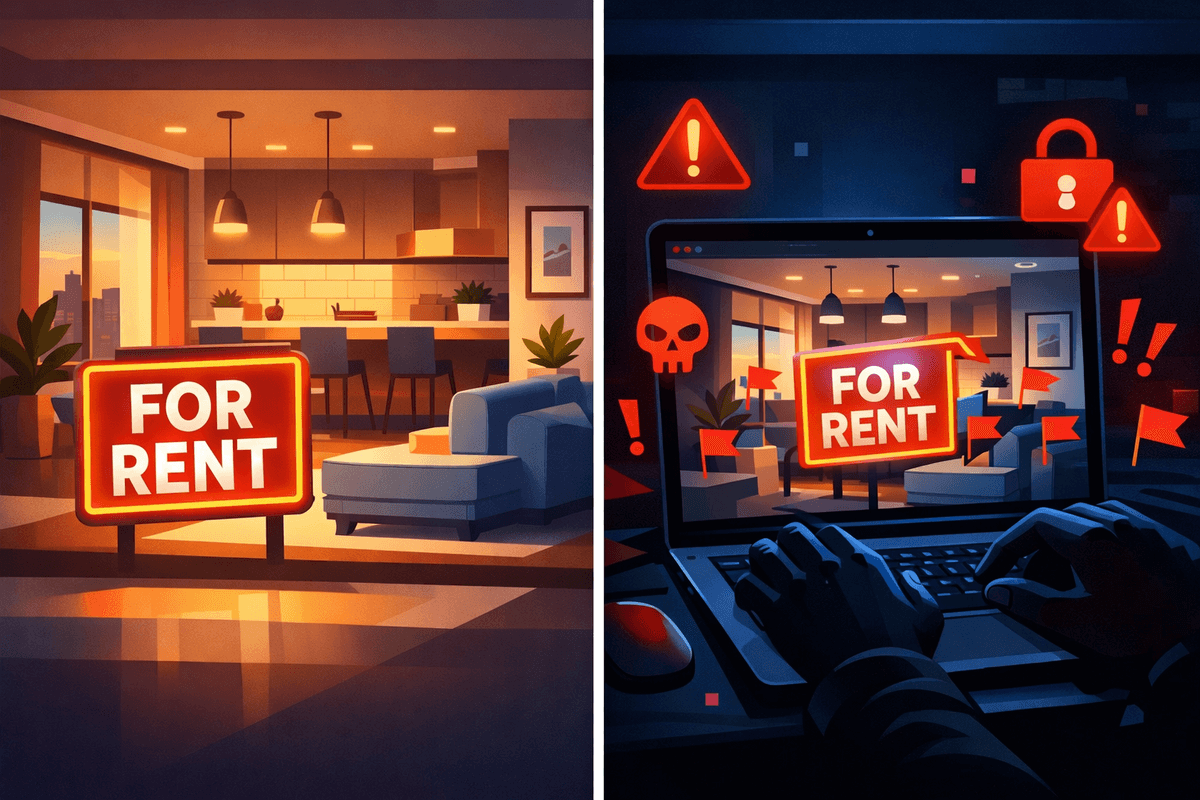
Spotting Real Estate Scams: How Reverse Image Search Protects Buyers and Platforms
The real estate market has always attracted fraudsters, but the digital age has made their schemes easier to execute and harder to detect. From fake rental listings to phantom property sales, scammers are using stolen images to create convincing facades that cost victims thousands — sometimes hundreds of thousands — of dollars.
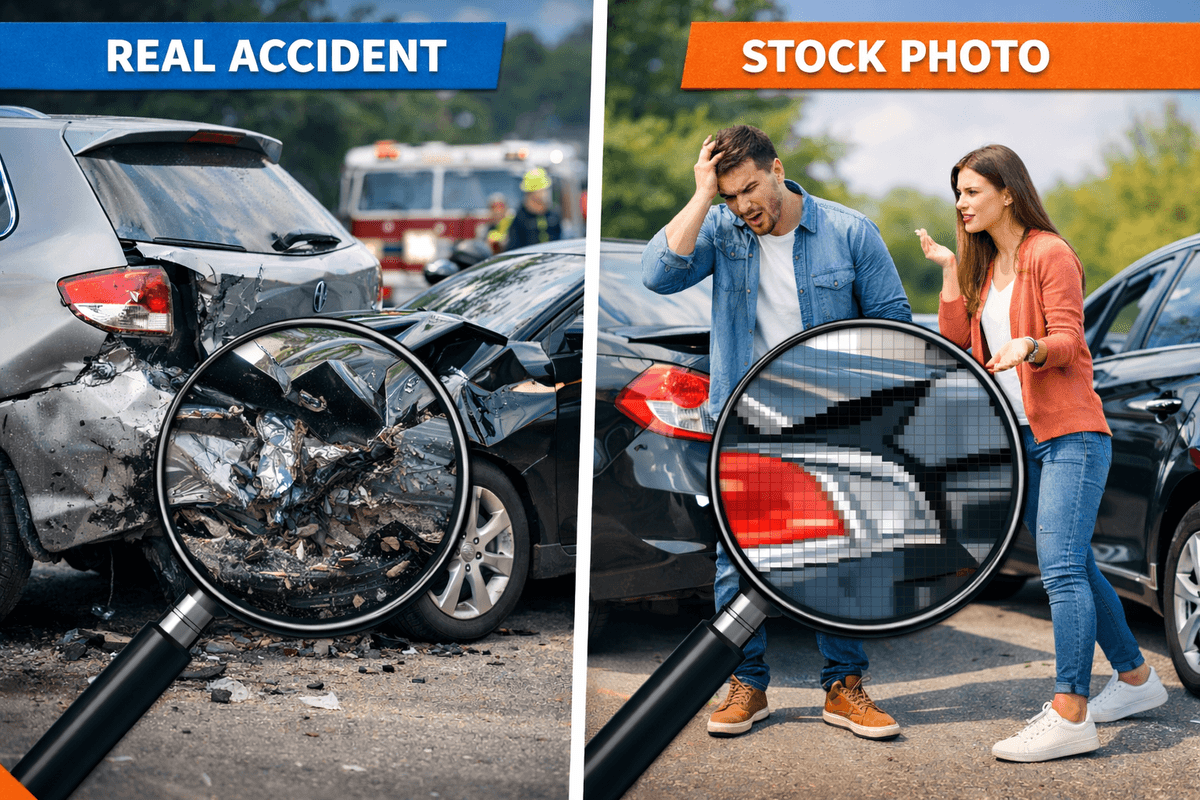
Catching Fake Insurance Claims: Why Image Verification Has Become Essential
We've been working with reverse image search technology for years now, and one thing that keeps surprising us is how many industries are quietly dealing with the same problem: people submitting fake or recycled images to make money.

What is a Reverse Image Search API?
Reverse Image Search APIs let you search the web with images instead of words. They analyze a photo, match it against massive databases, and return similar results. Businesses use them to protect copyrights, fight fraud, verify identities, and improve shopping experiences. As the internet becomes more visual, image-based search is set to become as natural as text search.
Reverse image search - things you should know
Dive into the intriguing world of reverse image search. This guide illuminates its mechanics, benefits, and myriad applications. Learn how it empowers digital investigation, from validating image origins to discovering visually similar content.